Views: 0 Author: Site Editor Publish Time: 2025-11-14 Origin: Site


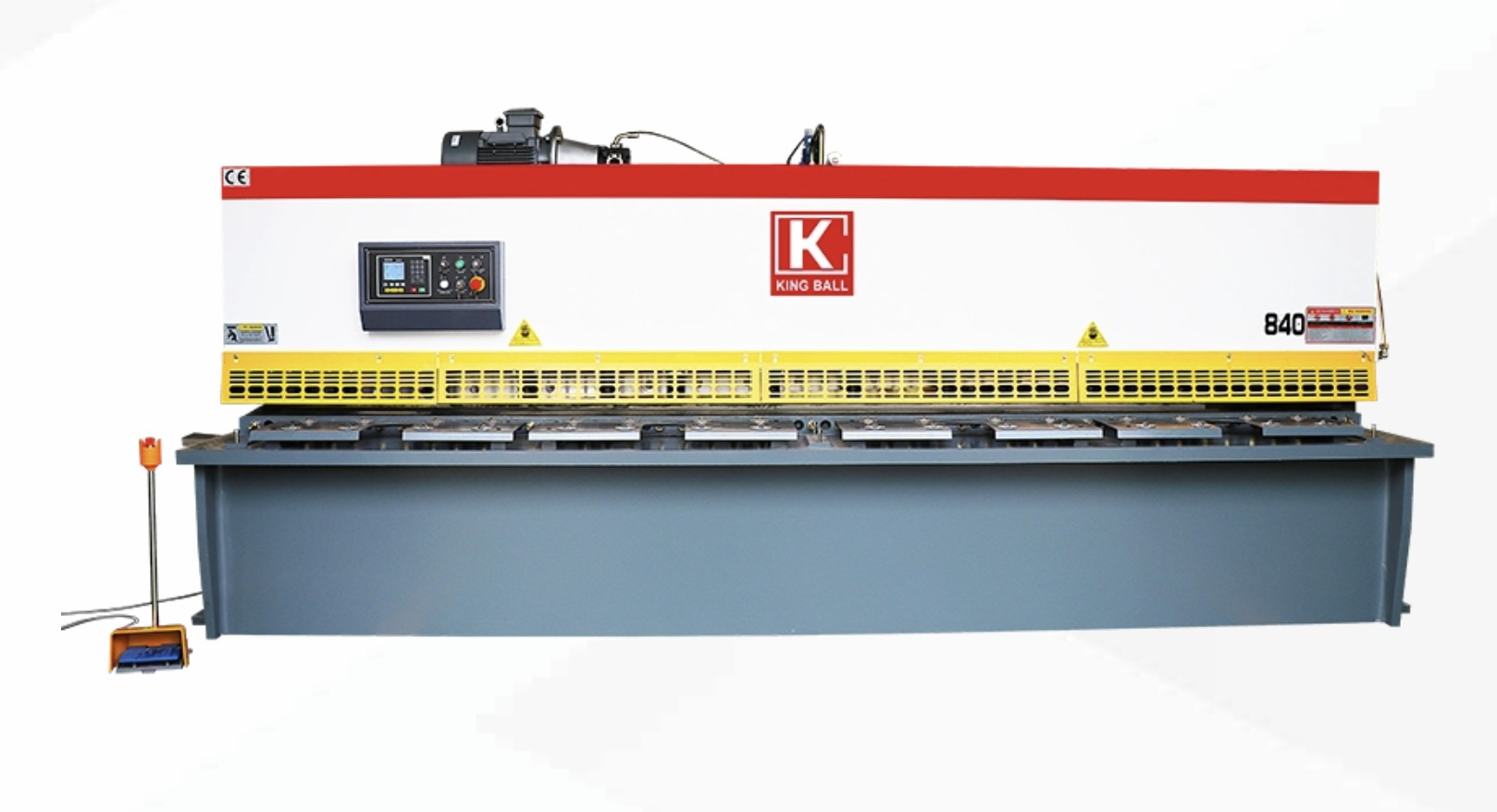
Hydraulic shearing machines are indispensable in various industries, offering precision and efficiency in cutting metal sheets and plates. They utilize hydraulic power to apply the cutting force, providing smoother, cleaner, and more precise cuts. Understanding the different types of hydraulic shearing machines can help businesses choose the right equipment for their specific needs. Below, we explore the various types of hydraulic shearing machines and their unique features.
Shearing machines come in several types, each designed for specific cutting needs. They differ in power sources, speed, and the kinds of materials they handle. Let’s look at the three most common types used in metalworking today.
A mechanical shearing machine works through a flywheel and gear system that stores rotational energy. It delivers fast, precise cuts by converting that energy into shearing force. This type is perfect for thin sheet metal and high-speed production lines.
Key Advantages:
Compact and easy to maintain.
Offers consistent performance in repetitive cutting.
Ideal for light-duty applications.
Common Uses:
Automotive panels, HVAC parts, and small fabrication workshops often rely on mechanical shears for efficiency and precision.
| Feature | Details |
|---|---|
| Power Source | Flywheel and gear system |
| Best for | Thin sheets, mild steel |
| Cutting Speed | Very high |
| Maintenance | Low |
| Suitable Industries | Automotive, light manufacturing |
The hydraulic shearing machine uses hydraulic cylinders to apply smooth, powerful pressure. It cuts thicker and harder metals like steel, stainless steel, or aluminum with remarkable accuracy. Unlike mechanical models, hydraulic shears allow adjustable pressure and cutting angles, offering excellent control.
Key Advantages:
Delivers high precision and clean edges.
Operates quietly and smoothly.
Built-in safety systems and overload protection extend lifespan.
Applications:
Used widely in shipbuilding, construction, and heavy fabrication plants where material thickness varies.
| Feature | Details |
|---|---|
| Power Source | Hydraulic pressure system |
| Best for | Thick or dense materials |
| Precision Level | High |
| Safety Features | Automatic interlocks, overload sensors |
| Typical Industries | Shipbuilding, steel processing, energy |
Powered by compressed air, the pneumatic shearing machine is lightweight and versatile. It’s best for softer materials such as thin metal sheets, plastic, rubber, or foam. Since it doesn’t require heavy hydraulics, it’s often used in portable or space-limited settings.
Key Advantages:
Easy to move and operate.
Energy-efficient and quick setup.
Ideal for light or temporary production work.
Applications:
Popular in packaging, signage, and craft workshops, where flexibility matters more than power.
| Feature | Details |
|---|---|
| Power Source | Compressed air |
| Best for | Thin sheets, plastic, rubber, foam |
| Portability | Excellent |
| Cutting Capacity | Low to moderate |
| Ideal For | Maintenance, small-scale operations |
Each machine type brings distinct advantages — speed, strength, or portability — depending on what your production demands most.
Beyond standard mechanical and hydraulic models, several specialized shearing machines are designed for unique cutting needs. Each type brings its own function, efficiency, and precision level — from cutting heavy scrap metal to shaping intricate curves. Let’s take a closer look at these versatile tools used across manufacturing and fabrication industries.
An alligator shear uses a hinged jaw powered by hydraulics to cut long metal stock. It’s often found in scrap yards or recycling lines, trimming rebar, pipes, and steel sections before shredding. This machine gets its name from its “jaw-like” motion that snaps through material quickly.
Advantages:
Strong, durable, and simple to maintain.
Affordable option for rough material preparation.
| Feature | Description |
|---|---|
| Power Source | Hydraulic cylinder |
| Best For | Scrap metal, long bars, pipes |
| Precision Level | Low |
| Cost Efficiency | High |
The guillotine shear is one of the most common and recognizable models. It features upper and lower blades that move vertically to make straight, accurate cuts. A back gauge positions the sheet precisely before cutting, ensuring consistent results.
Advantages:
Fast, programmable, and highly consistent.
Handles large sheets efficiently for mass production.
Applications:
Widely used in automotive manufacturing, appliance production, and metal fabrication workshops.
| Feature | Description |
|---|---|
| Cutting Mechanism | Straight blade movement |
| Accuracy | High |
| Speed | Fast |
| Ideal For | Large-volume sheet trimming |
A swing beam shear works through a hydraulic drive system and a pivoted upper blade. Its design keeps the cutting angle fixed while the beam swings down to shear the metal. This ensures a smooth motion and a clean, distortion-free cut.
Advantages:
Compact, reliable, and low-maintenance.
Prevents warping or bending of thin sheets.
| Feature | Description |
|---|---|
| Drive Type | Hydraulic |
| Blade Motion | Pivoting swing |
| Maintenance Need | Low |
| Distortion Control | Excellent |
The bench shear is a smaller, table-mounted unit for cutting medium sheet metal, bars, and rods. It uses a compound leverage mechanism to multiply cutting force, making it efficient and easy to use. Perfect for workshops that need compact yet capable equipment.
Key Benefits:
Produces clean, burr-free cuts.
Simple operation and long service life.
| Feature | Description |
|---|---|
| Mounting Type | Bench-top |
| Cutting Range | Medium thickness sheets, bars |
| Portability | Moderate |
| Cut Quality | Smooth, burr-free |
A power shear is a handheld, electrically or pneumatically driven tool. It’s designed for straight or curved cuts in sheet metal and offers flexibility for onsite tasks. Compact yet powerful, it’s often used in repair and maintenance work.
Advantages:
Lightweight, accurate, and easy to control.
Produces smooth, polished finishes.
| Feature | Description |
|---|---|
| Power Source | Electric or pneumatic |
| Cutting Type | Straight and curved lines |
| Ideal For | Sheet fabrication, maintenance |
| Portability | Excellent |
The throatless shear allows the operator to move the material freely during cutting. It’s ideal for intricate curves, circles, and irregular shapes without distortion. The open design lets large sheets rotate around the blade easily.
Advantages:
Perfect for creative and custom metalwork.
Produces smooth edges with precise control.
| Feature | Description |
|---|---|
| Movement Freedom | 360° sheet rotation |
| Best For | Curved and irregular shapes |
| Operation Type | Manual or mechanical |
Snips, also called hand shears, are small manual tools for cutting thin sheets. They come in tinner and compound types — each with variations for left, right, or straight cuts. Though simple, they’re essential for small adjustments and fine work.
Pros:
Portable, affordable, and precise.
Ideal for custom trimming or field adjustments.
| Type | Cut Direction |
|---|---|
| Straight-cut snips | Straight or wide curve |
| Left-cut snips | Tight left curves |
| Right-cut snips | Tight right curves |
A nibbler works by rapidly punching small bits out of sheet metal — almost like a mini press. It follows curves and complex outlines without distorting the material surface. This makes it a favorite for precise panel work.
Advantages:
Delivers distortion-free, accurate cuts.
Works well on aluminum and mild steel.
Applications:
Used in automotive body repair, duct fabrication, and decorative metalwork.
| Feature | Description |
|---|---|
| Cutting Motion | Punch-and-die nibbling |
| Cut Precision | High |
| Surface Distortion | None |
| Ideal For | Body panels, ducts, metal crafts |
Selecting the right shearing machine isn’t just about cutting metal — it’s about finding a model that fits your workflow, materials, and budget. Each type of shear serves a different purpose, so knowing your production goals helps you make a smarter investment. Here’s how to choose the one that matches your business needs.
Start by checking the type and thickness of metal you’ll be cutting. The cutting force required varies greatly between carbon steel, stainless steel, and aluminum. A mismatch can cause blade wear or uneven edges.
Thin sheets → Go for mechanical shears. They offer fast, clean cuts for mild steel or aluminum.
Thick plates → Choose hydraulic models. They provide the power and precision for heavy-duty work.
Soft or lightweight materials → Pneumatic shears are compact and efficient for plastic or thin alloys.
| Material Type | Recommended Machine | Typical Thickness Range |
|---|---|---|
| Aluminum / Mild Steel | Mechanical Shear | 0.5 – 3 mm |
| Stainless Steel | Hydraulic Shear | 4 – 25 mm |
| Plastic / Rubber | Pneumatic Shear | ≤ 2 mm |
Knowing the material early helps prevent underpowered performance and extends blade life.
Next, consider how much and how precisely you need to cut. If you’re running mass production, precision and repeatability matter most. A CNC hydraulic or guillotine shear can handle high output with automated accuracy. For smaller operations or custom projects, bench shears or power shears work better.
They allow flexible operation and lower upfront costs.
| Production Level | Ideal Machine Type | Cutting Precision |
|---|---|---|
| High-volume factory | CNC Hydraulic / Guillotine | ±0.1 mm |
| Small workshop | Bench or Power Shear | ±0.5 mm |
| Onsite repair | Handheld or Pneumatic | ±1.0 mm |
Always match your production scale to the machine’s operating speed and tolerance level.
Efficiency is more than speed — it’s about consistent output and low downtime. Check the machine’s cutting rate, lubrication system, and burr control. A clean, smooth cut reduces post-processing time.
Durability Tips:
Look for hardened blades and solid frames to reduce vibration.
Ensure lubrication points are easy to access.
Ask about spare parts availability before buying — downtime costs money.
| Feature | Why It Matters |
|---|---|
| Cutting Speed | Boosts production efficiency |
| Blade Hardness | Extends service life |
| Lubrication Access | Simplifies maintenance |
| Spare Parts Support | Reduces downtime |
Safety should never be an afterthought. Modern shearing machines now integrate automated controls and built-in protection systems. These keep both the operator and the equipment safe during heavy operation.
Look for these essentials:
Overload protection to prevent motor damage.
Emergency stop buttons within easy reach.
Protective guards to block debris.
Programmable cutting cycles for hands-free, repetitive tasks.
Automation not only increases safety but also improves consistency and reduces operator fatigue.
A reliable supplier means long-term stability. Always verify certifications like ISO 9001 and CE compliance for quality assurance. Ask about technical support, after-sales service, and parts delivery time. Manufacturers that offer installation guidance and operator training usually provide better long-term value. And yes — Chinese shearing machine manufacturers often deliver strong cost-performance advantages, offering robust quality at competitive prices.
| Selection Criteria | What to Look For |
|---|---|
| Certification | ISO 9001, CE |
| After-Sales Support | 24/7 technical service |
| Delivery Speed | Within 3–4 weeks |
| Price vs Performance | Balanced value |
Shearing machines are vital for accurate and efficient metal cutting. Each type—mechanical, hydraulic, pneumatic, or specialized—fits unique production needs. Choosing the right one boosts productivity, improves cut quality, and reduces long-term costs. With proper selection and care, every cut becomes faster, cleaner, and more reliable.
Kingball is a true expert of machine- manufacturing based on more than 20 years experience. We have 30, 000 square meters workshop, advanced production equipment, 220 experienced staff, and strictly effective quality assurance system. Nowadays our company is developing the global market, We are currently looking for all agents and powerful cooperation globally to sell our products worldwide.


